



Battery Disposal
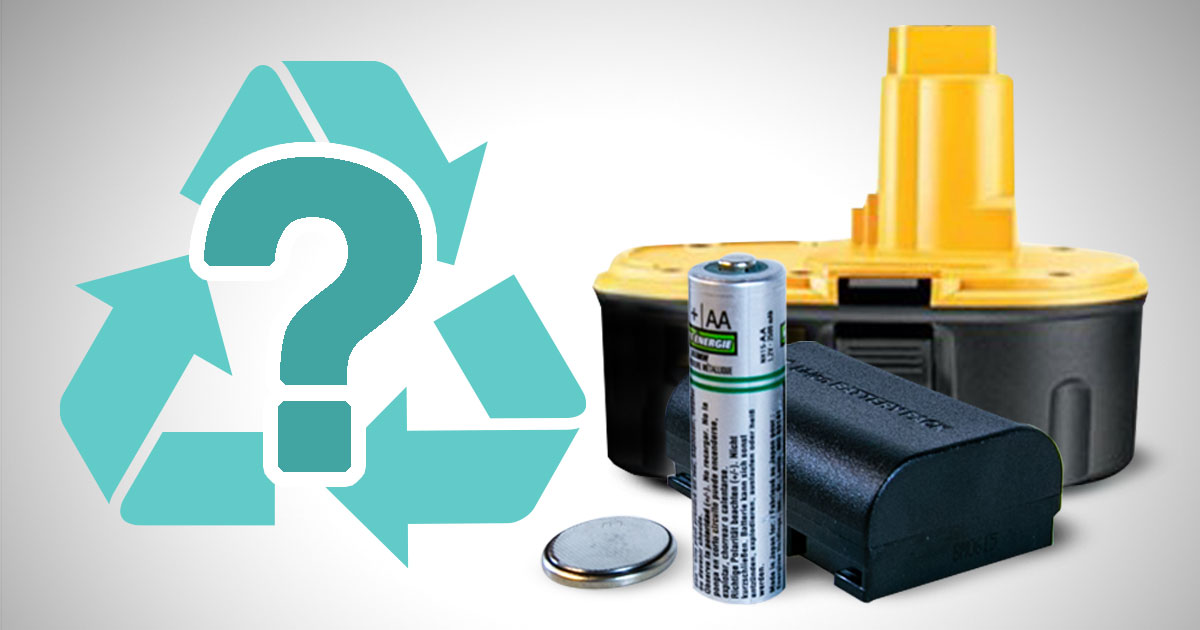
Can I Throw My Batteries in My Garbage or Recycling?
Your Recycling Bin – NO
Do not place any type of battery in your recycling bin. Although there may be recycling symbols on batteries, those symbols represent its ability to be recycled at a proper facility or its ability to be recharged. Batteries are not accepted within your curbside recycling container or mixed with other recyclables.
Your Garbage Bin – NO
No type of battery should ever be placed in your household garbage bins. While single-use alkaline batteries were once allowed in the trash, all batteries—especially lithium and rechargeable batteries—must be kept out of curbside disposal. Lithium batteries pose a serious fire risk and are a leading cause of truck and facility fires in the garbage and recycling industry, putting collection crews and equipment in danger. The good news is safe, responsible recycling options are available. BatteryNetwork.org, North America’s largest battery recycling program, offers convenient local drop-off locations for lithium and rechargeable household batteries, along with helpful recycling information.
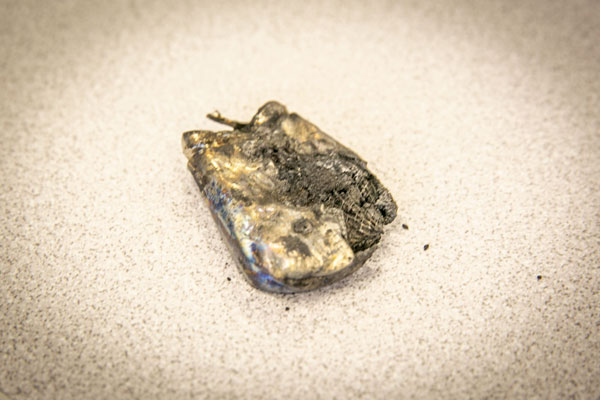
This is a small lithium battery that ignited at a local recycling facility. Batteries hidden within electronic devices can also ignite when disposed improperly.
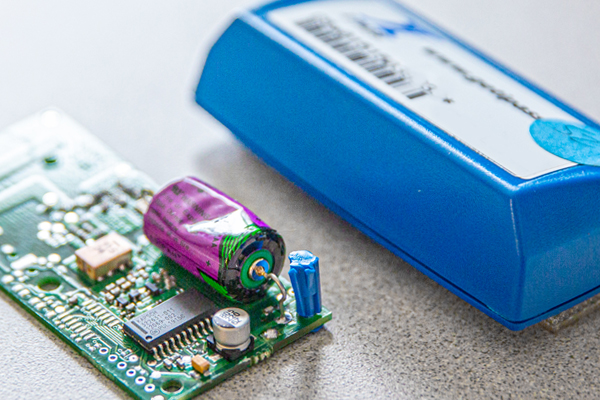
Lithium batteries are used in many devices. This one is tucked away in a vehicle I-Pass toll payment sensor and should not be tossed at your curb.
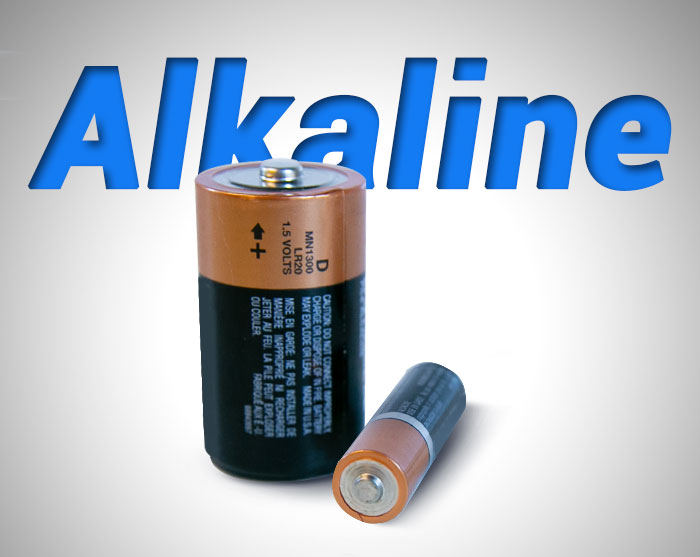
Alkaline Battery Disposal
Not Recyclable Curbside
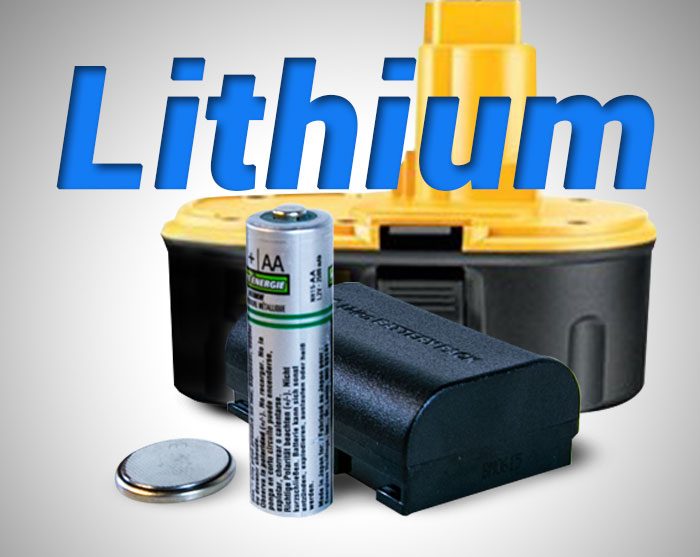
Lithium Battery Disposal
Bring lithium and rechargeable batteries to a store like Home Depot or Staples.
Alkaline Batteries
Alkaline Batteries are typical household batteries most commonly found items like toys or flashlights. They vary in size and shape, like AAA and D and are called general use or single use batteries. Thanks to the Battery Act of 1996, alkaline batteries made after this year no longer contain mercury and are not considered hazardous. They should not be placed in your curbside recycle cart.
Lithium Batteries
Lithium batteries have some unique traits compared to other batteries. They are light-weight, have a high charge density and provide higher voltages. These lithium batteries are considered a household hazardous waste and should stay out of both recycling and trash containers. Lithium batteries need to be brought to a household hazardous waste facility or a proper recycling vendor.
Checkout batterynetwork.org
Two Types of Lithium Batteries
1. Primary lithium batteries are made using lithium metal. These are a longer lasting battery than the traditional alkaline battery. These single-use lithium batteries are often used for power-hungry devices like digital cameras. They are not rechargeable and replace a traditional AA or 9-volt battery.
2. Rechargeable lithium-polymer cell batteries use lithium in the electrolyte. This rechargeable type of lithium battery can be used many times and comes in many shapes and sizes. Rechargeable lithium batteries are found in cellphones, laptops, computers, and many other small rechargeable devices like smart watches, ear buds and selfie sticks. At the end of their life, they can be more difficult to remove from a device, than a regular click-and-go alkaline battery.
Remember, batteries are banned from curbside garbage and are never accepted in recycling bins because of the risk they pose to collection crews and landfill sites. When lithium batteries are disposed of improperly, they can cause fires or explosions and are considered a household hazardous waste. Together we can keep these hazardous materials out of landfills and reduce the risk of exposure for future generations