

What’s the Difference Between Alkaline and Lithium-Ion Batteries?
Identification and Proper Disposal
We rely more and more on battery-powered devices in our daily lives. In 2023 alone, the world spent an estimated $54 billion on batteries—and that number is expected to keep climbing by nearly 20% each year through 2030.
With batteries playing such a big role in our everyday lives, it’s important to understand the different types we use, how to tell them apart, and—most importantly—how to dispose of them safely. The bottom line: batteries of any kind should never be placed in your curbside trash or recycling.
This quick guide will help you identify the differences between alkaline and lithium-ion batteries and show you the right ways to recycle them responsibly.
Alkaline vs. Lithium-Ion: What’s the Difference?
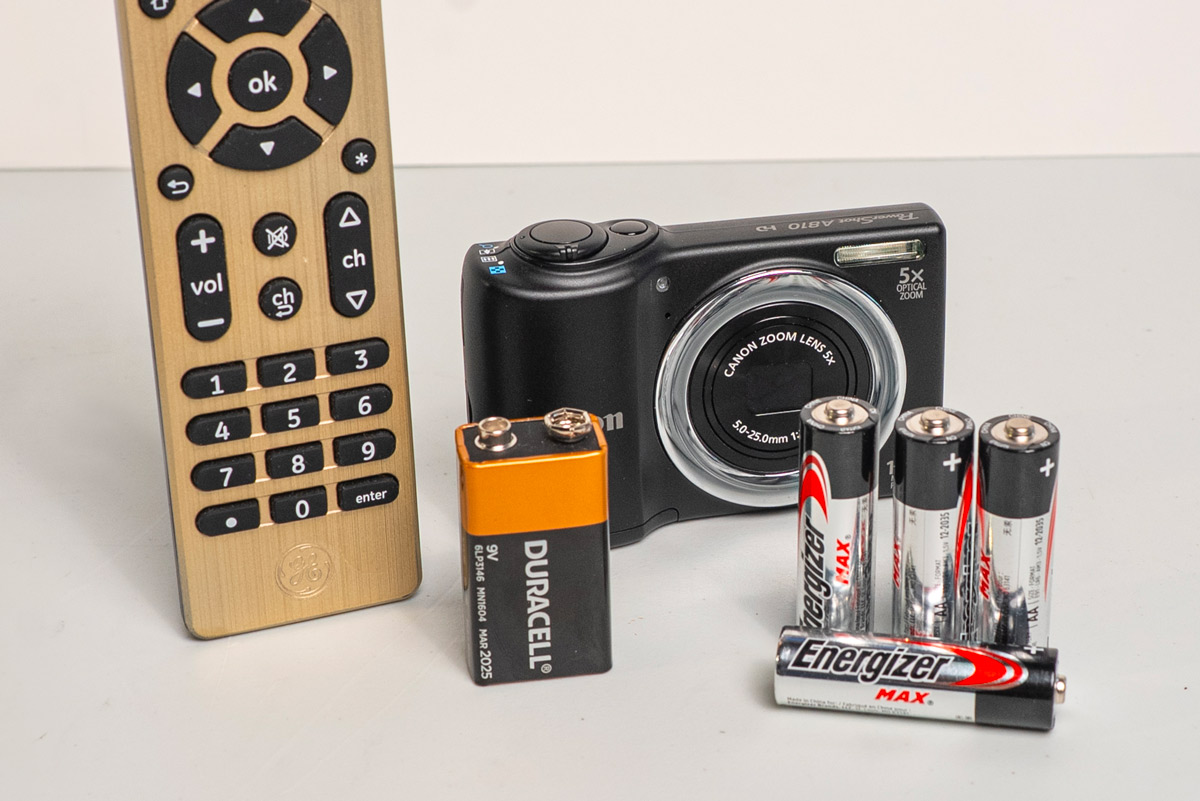
Alkaline Batteries
These are the standard, disposable batteries you likely use in remote controls, flashlights, toys, and wall clocks. They come in familiar sizes like AA, AAA, C, D, and 9V. Alkaline batteries are typically single-use and made with a zinc-manganese dioxide chemistry.
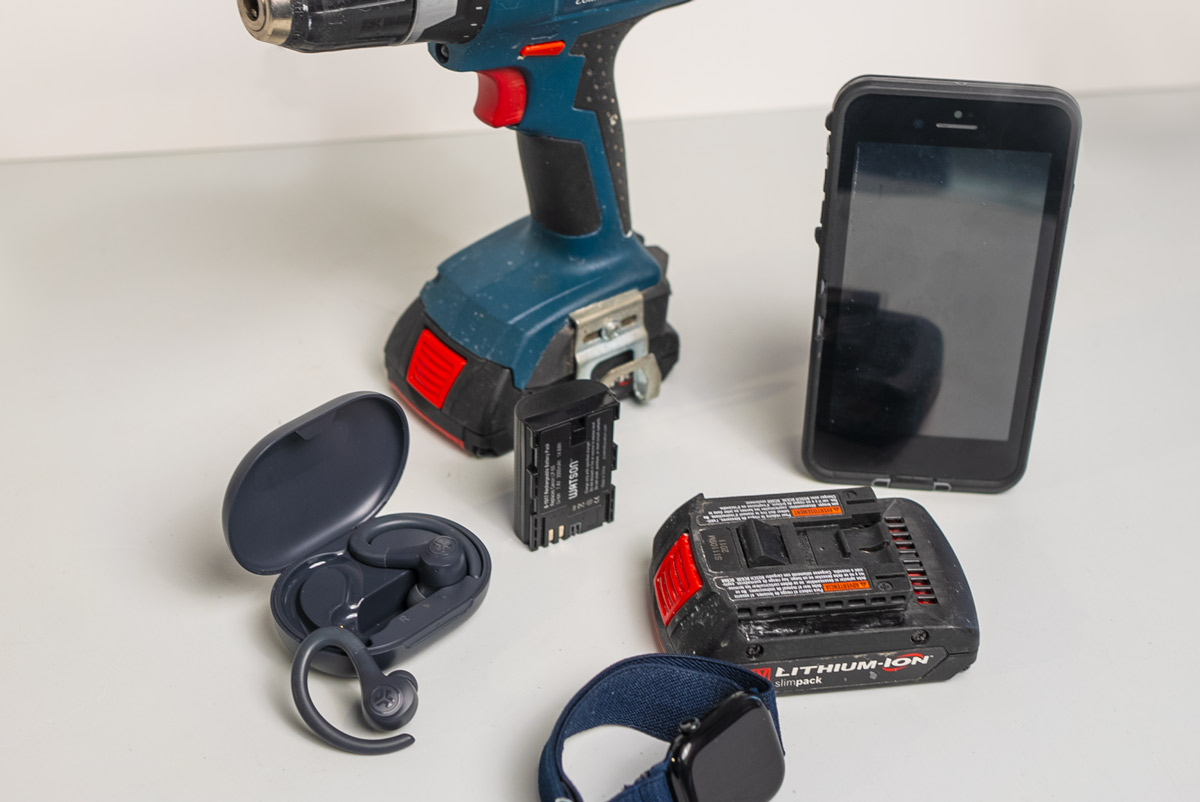
Lithium-Ion Batteries
These are rechargeable batteries found in devices like smartphones, laptops, power tools, and electric toothbrushes. They are known for their high energy capacity and long lifespan. Lithium-ion batteries come in a variety of shapes and sizes and may be built into the devices themselves.
How Can Consumers Identify the Difference?
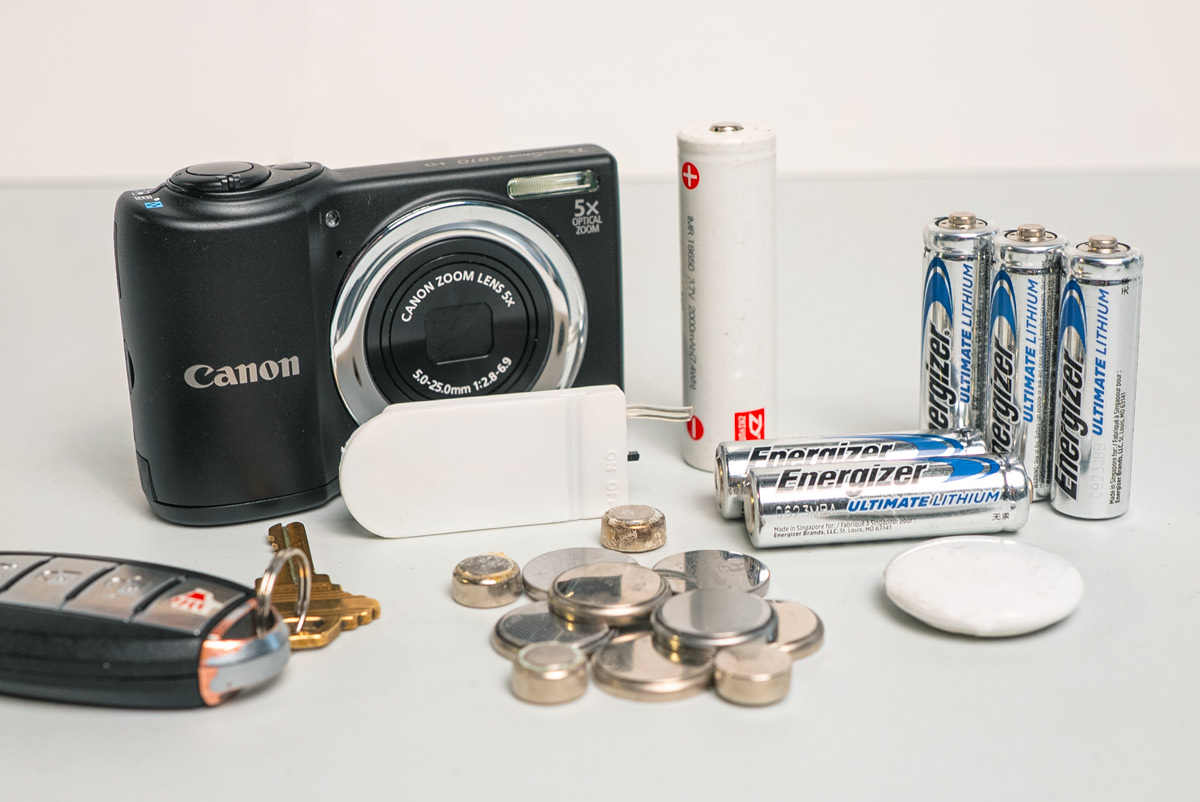
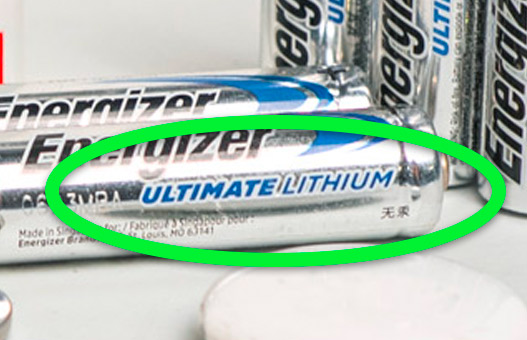
Check the Label:
Most batteries are clearly labeled. Look for terms like “alkaline” or “Li-ion” (short for lithium-ion). Please note that not all lithium batteries are rechargeable.
Look at the Use Case or Packaging:
If it’s a one-time-use battery in a household item, it’s likely alkaline. If it powers a rechargeable device, it’s most likely lithium-ion.
Battery Shape:
Alkaline batteries usually have a cylindrical shape (AA, AAA, etc.), while lithium-ion batteries can be cylindrical, rectangular, or even flat, depending on the device.
Weight and Price:
Lithium-ion batteries are often lighter than Alkaline batteries. They are also usually more expensive due to their higher energy density.
Proper Disposal and Recycling Tips
Alkaline Battery Disposal
Under the Illinois Battery Act, alkaline batteries are no longer allowed in your regular household trash. These common single-use batteries should be taken to a designated battery recycling or collection center for proper disposal. Recycling helps keep harmful materials out of landfills and protects our environment.
Always check with your local municipality for approved drop-off locations or recycling options in your area.
Lithium-Ion Battery Disposal
These also should never go in your curbside trash or recycling bin. Lithium-ion batteries can pose a fire risk when punctured or damaged. They will cause fires inside garbage trucks and at waste collection facilities. Instead, bring them to a certified e-waste recycling center or drop-off site. Many electronics retailers (like Best Buy, Home Depot or Staples) also offer safe battery recycling.
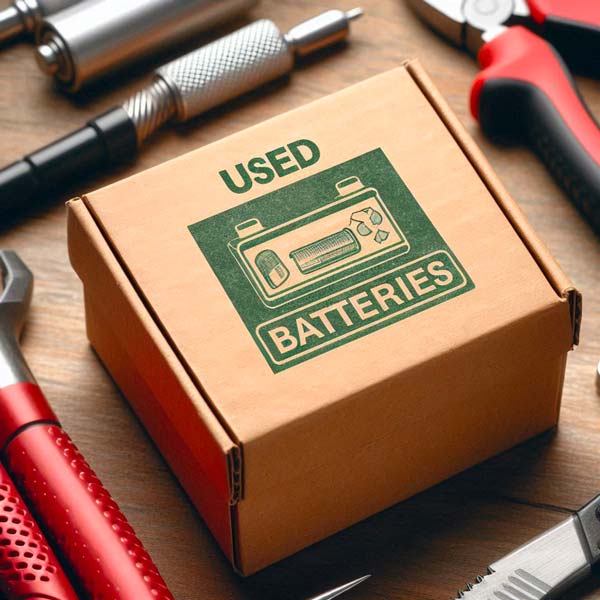
Keep a small container in your home labeled “Used Batteries” and drop them off at a local recycling event or partner store when full. This small habit can make a big environmental difference! Cover the ends of your used or “dead” batteries with electrical or packaging tape during storage. When batteries are stored together or transported, their terminals can touch, causing a short circuit. This can lead to overheating, sparking, and potentially a fire according to the EPA.
When you have a small collection of used batteries, visit batterynetwork.org to find a collection location near you or simply click the button below.